10 Things That Make Your Au-Pair Profile Stand Out

Photo: Vitaly Gariev / Pexels
Host families are most likely to reply to au-pair profiles that show genuine childcare experience, a warm and honest photo, clear details about your language skills, and a believable motivation. It's not about looking perfect — it's about being tangible and trustworthy. Parents are handing their children to a stranger. They're looking for someone they can trust to do exactly that.
In this guide you'll get 10 concrete things that lift your profile above the crowd — honest, no sugar-coating, and written so the right family feels addressed. Not a marketing trick, but solid points you can put into practice today.
The 10 tips for a strong au-pair profile
A friendly, genuine photo
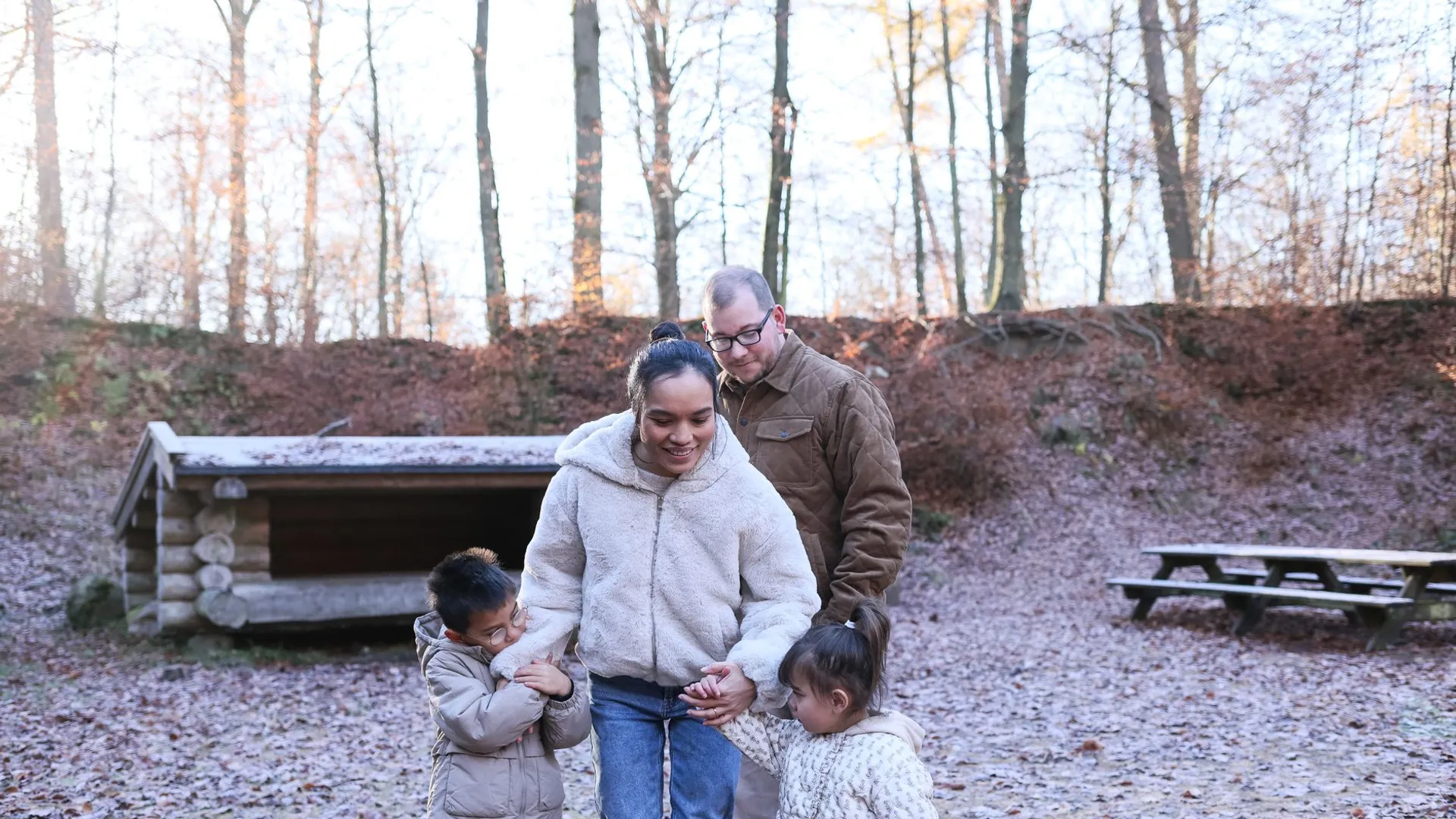
Choose a bright picture where you're clearly recognisable and smiling — ideally with children or in a natural, everyday setting. No party shots, no sunglasses, no blurry selfie. A warm face builds more trust in two seconds than any text.
Concrete childcare experience with examples
Don't just write „I love children“ — write what you actually did: looked after your siblings for two years, supervised a group of 6- to 8-year-olds at summer camp, babysat regularly. Name the ages and the tasks. Examples are instantly more credible.
An honest self-assessment of your languages
State clearly how well you speak the local language and English — for example A2, B1, or „fluent in everyday situations“. Don't understate and don't overstate. Families plan around this; an honest assessment prevents disappointment on both sides.
A clear motivation
Explain why you want to become an au-pair and why this country in particular. „I want to learn German and experience family life“ is stronger than an empty phrase. This is where families read whether you mean it.
Hobbies and skills that help in daily life
Mention things that are directly useful in family life: swimming, cycling, cooking, an instrument, crafts, helping with maths homework. Such skills show you can offer the children real time and real activities.
State your availability and preferred duration
Write clearly when you can start and how long you'd like to stay (e.g. 12 months from September). Families often look for a specific period — if it doesn't fit, they won't even write. Clear details save both sides time.
Mention driving licence and swimming clearly
Whether you can drive and swim is decisive for many families — school runs, after-school pickups, the pool. If you have a licence or swim confidently, say so plainly. When the detail is missing, families often assume the worst.
A short introduction video
A 30- to 60-second video introducing yourself makes you tangible like no text can. Speak calmly and naturally, say hello, tell a little about yourself and why you want to be an au-pair. Families reply far more often to profiles with a video.
Reply to messages quickly and warmly
When a family writes, reply promptly, politely, and with real questions of your own. A fast, warm response signals reliability — a trait parents put right at the top of the list when it comes to childcare.
Fill out your profile completely
Leave no fields empty. Empty sections look unfinished or unserious and leave the family guessing. A complete profile shows you mean it and make an effort — exactly what parents look for in a caregiver.
Honesty beats embellishment. It's tempting to make your profile sound a little better — more experience, better language, more skills. But a match built on honest details lasts longer and is easier for everyone. Exaggerations show up in everyday life at the latest and lead to frustration on both sides.
Why these particular points matter
Behind every one of these tips is the same question parents ask themselves: Can I trust this person with my children? A genuine photo and a short video answer the emotional side — „Do I find this person likeable?“. Concrete experience, language details, driving and swimming answer the practical side — „Can this person handle daily life?“.
A clear motivation and quick, friendly replies answer the most important question of all — „Is this person reliable and serious?“. When your profile covers all three levels, you automatically stand out from profiles that just say „I love children“ and show a dark selfie.